Skip to content


Suzi Fisher – Improve Your Relationship with Food
Why New Years Weight Loss Goals Almost Always Fail
Posted In: Featured
Why Weight Loss Goals Are Often Symbolic With a New Year
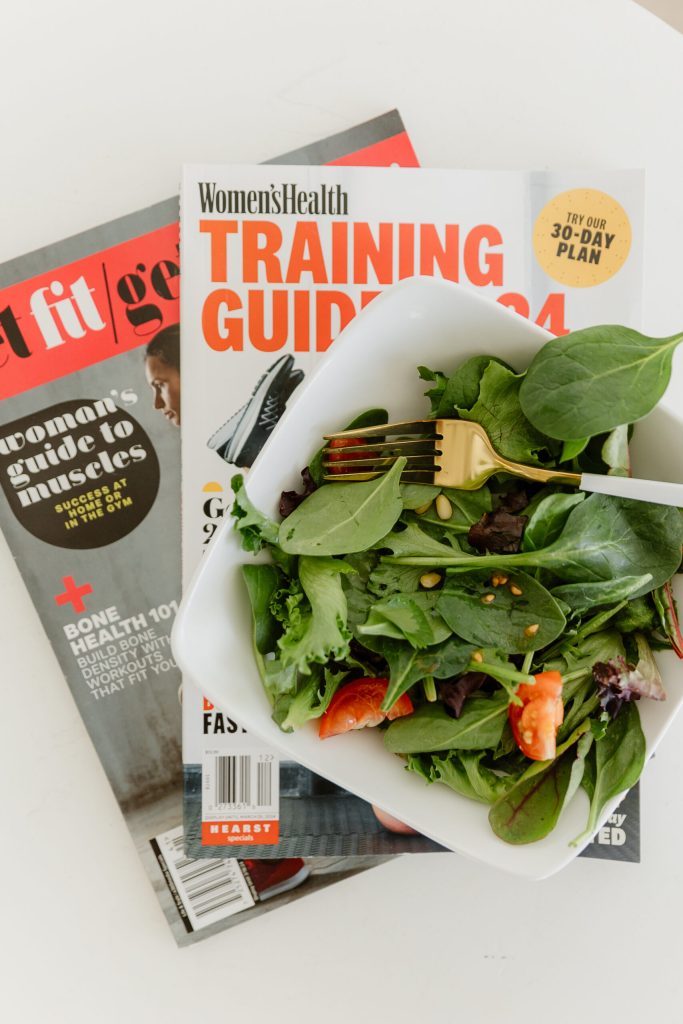
The turning of the calendar often brings hope and a sense of possibility. For many, that fresh start quickly becomes focused on changing their bodies and pursuing weight loss.
Gym ads multiply. “New Year, New You” messaging fills social media feeds. Detoxes, resets, and programs promising fast results are everywhere. The number on the scale is framed as the key to confidence, health, discipline, and self-worth.
For many people, weight loss almost becomes the panacea for all that is wrong in one’s world. How often have you thought, if I were this specific weight, the xyz in my world would fall into place?
Yet research and lived experience tell the same story year after year: most weight-loss goals fail not because of a lack of motivation or willpower, but because of how those goals are structured in the first place.
If 2026 is going to look different, the conversation needs to shift. We need to move away from chasing numbers to building goals rooted in intrinsic values and sustainable nutrition practices.
The “Fresh Start” Effect and New Year Motivation
Psychologists describe something called the fresh start effect, the belief that a new time period allows us to reset our behavior and identity. New Year’s, birthdays, and even Mondays feel like opportunities to become a better version of ourselves.
Diet culture capitalizes on this moment by positioning weight loss as the ultimate self-improvement project. The message is subtle but powerful:
You can leave your past behind by changing your body.
This framing makes weight loss goals feel urgent and morally loaded rather than neutral or optional.
Holiday Eating, Guilt, and Diet Culture
The months leading into January are filled with food-centered celebrations. Instead of honoring food as connection, culture, and pleasure, diet culture frames holiday eating as indulgent and excessive.
By January, many people are carrying:
- Food guilt
- Body shame
- A sense of “needing to make up for” eating
Weight loss is marketed as the solution, the way to restore control and erase perceived mistakes.
Visibility, Comparison, and Body Ideals
End-of-year reflection often turns into comparison. Photos, memories, and social media posts reinforce the idea that body size reflects success, discipline, and worth.
When bodies are treated as proof of value, weight loss becomes the default goal, even when it conflicts with physical or mental health.
Why Chasing a Number Leads to Burnout and Failure
One of the biggest problems with weight loss goals is that weight is not a behavior. It’s an outcome influenced by countless factors, including:
- Genetics
- Hormones
- Stress levels
- Sleep
- Medications
- Illness
- Menstrual cycles
When success is measured by a number you can’t directly control, frustration and self-blame are almost inevitable.
Weight-Focused Goals Disconnect You From Your Body
When weight loss becomes the goal, internal cues lose their importance.
- Hunger is ignored.
- Fullness and satisfaction are overridden.
- Energy levels are dismissed.
Over time, this disconnection fuels chronic dieting, food obsession, binge–restrict cycles, and increased risk for eating disorders.
Arbitrary Numbers Create False Finish Lines
Many weight loss goals are based on arbitrary numbers:
- A past weight
- A BMI category
- A number someone else suggested
These targets rarely reflect current biology, life circumstances, or sustainability. Even when someone reaches the goal, maintaining it often requires ongoing restriction and vigilance.
“The Failure Story”
Eventually, the body adapts. Weight returns. And the narrative becomes, “I failed.”
One’s own “Failure Story” becomes the driver of a cycle that repeats.
In reality, the system was never designed to support long-term health.
Why Extrinsic Goals Don’t Work Long Term
Extrinsic goals are goals driven by external reward, such as money, fitting into a smaller size, or looking a certain way for a special event. External validation, rewards, or social approval often drive these goals.
Weight loss that is pursued without focusing on intrinsic purpose is viewed as an extrinsic goal.
Research consistently shows that extrinsic goals are:
- Less sustainable
- More stressful
- Less satisfying
Initial Motivation May Not Be Enough
Even when achieved, the emotional payoff is short-lived. Once the reward has been achieved, what then? What becomes the motivator to maintain the changes once the reward has been reached or the event has passed?
Once the initial motivation fades, the excitement of reaching the goal may be replaced by anxiety and fear about maintaining the result.
When there is no clear purpose beyond a single event or an arbitrary number on the scale, a familiar cycle emerges: weight loss is pursued temporarily, the event ends, and because the behaviors were never rooted in personal values, old patterns return, thus reinforcing the belief that the attempt “failed.”
Fear of failure cannot sustain meaningful change.
Intrinsic Goals: A More Sustainable Approach to Nutrition
Our internal values guide intrinsic goals based on how you want to feel, live, and function in your body.
Examples of intrinsic nutrition goals include:
- Improving overall health to be present for your children or grandchildren
- Feeling more stable energy throughout the day
- Reducing food anxiety and mental noise
- Supporting digestion and physical comfort
- Eating in a way that supports mood and focus
- Feeling more trust and ease around food
These goals focus on behaviors rather than outcomes, making them adaptable and resilient during stressful seasons of life.
What Is a Values-Based Nutrition Approach?
A nutrition value system is not a diet plan or set of rigid rules. It’s a decision-making framework grounded in what matters to you as a human being.
Values might include:
- Honoring hunger and fullness cues
- Adequate daily nourishment
- Flexibility with food selection
- Allowing for the pleasure and satisfaction of food
- Cultural connection
- Mental peace
- Self-compassion
Values Versus Numbers
When values, not numbers, guide nutrition decisions, eating becomes supportive rather than self-defeating and judgmental. Acting in alignment with personal values reduces food-related guilt, which often arises when choices conflict with one’s core value system. Eating in line with your nutritional values fosters mental peace and self-compassion, breaking the cycle of criticism and negative self-talk.
Why Values-Based Nutrition Works
Sustainability is often framed as a discipline problem, but it’s actually a nervous system issue.
Restriction, monitoring, and fear-based motivation create chronic stress. Over time, the body responds with:
- Increased hunger
- Stronger cravings
- Fatigue
- Emotional reactivity, which can lead to comfort eating
Values-based nutrition supports regulation instead of resistance, allowing consistency to develop without burnout or feelings of guilt.
Reframing 2026: From Weight Loss to Body Alignment
If weight-loss goals have dominated previous years without lasting success, the problem isn’t you; it is the societal construct that’s been forced upon us since we were teens.
Instead of saying:
- “I want to lose weight this year.”
Try asking yourself instead:
- “How do I want to feel in my body?”
- “What values do I want my nutrition choices to reflect?”
- “What would support my mental and physical health long term?”
These questions shift the focus away from forcing change on your body and toward living in alignment with what truly matters to you. This shift is what can make lasting change possible.
The Bigger Picture of Health
Health is not a number.
It’s not a look.
And it’s not something you achieve once and keep forever.
Health is dynamic, contextual, and deeply personal.
Let 2026 be the year you stop chasing an arbitrary number and start building a relationship with food and your body that supports your values, your life, and your humanity.
What will YOU do to support the relationship between food and body in 2026?